Project Summary
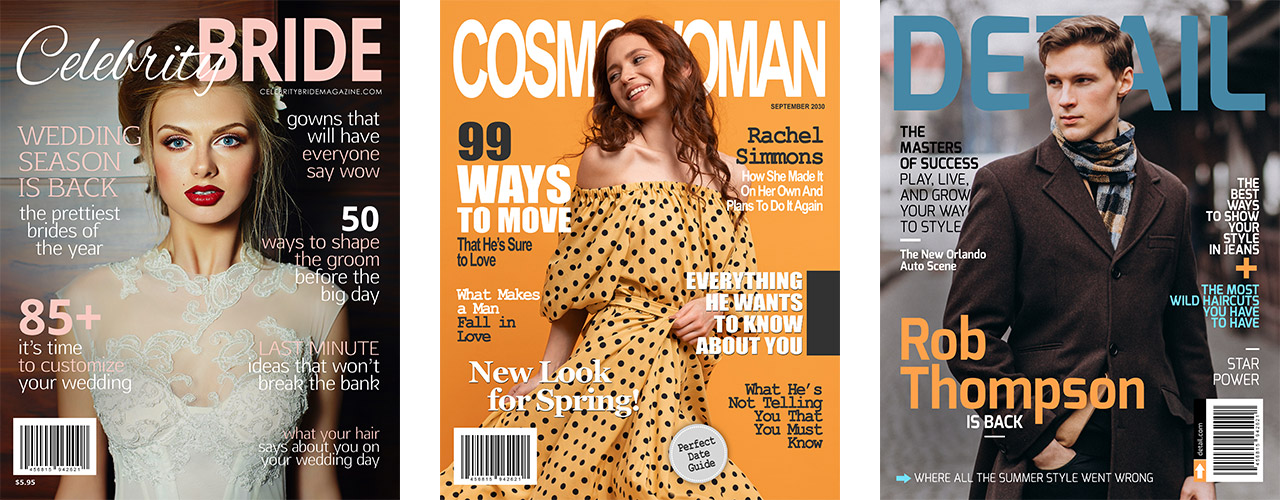
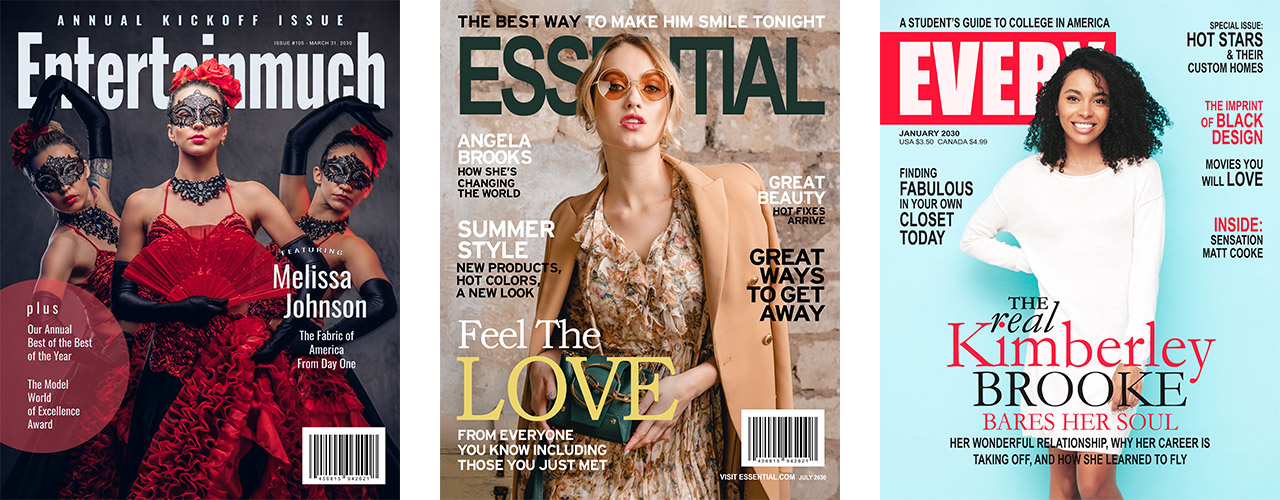
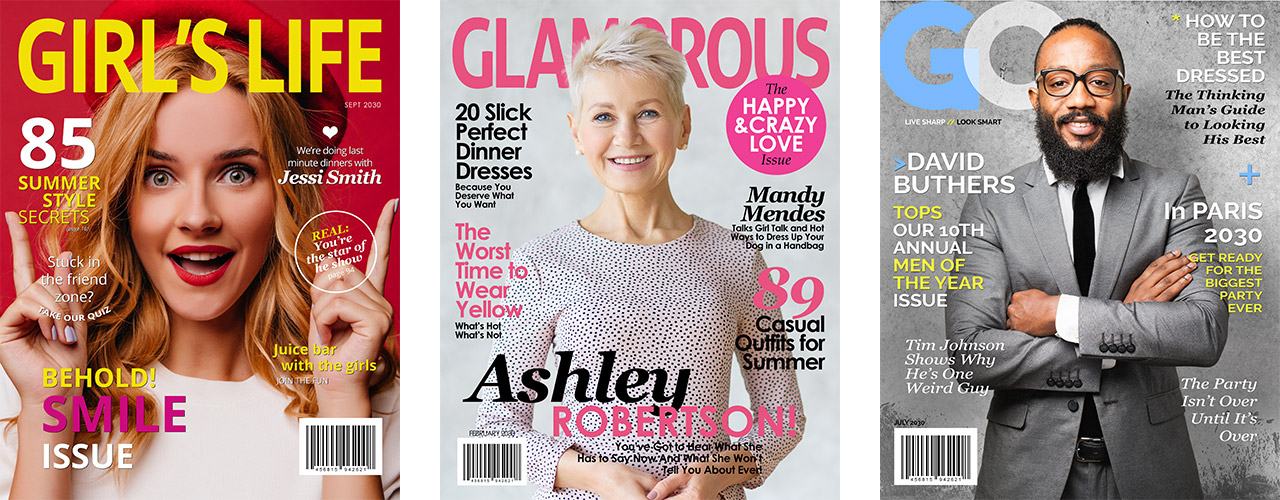
This extra credit project is a full studio challenge that pushes you back into real design workflow mode. You will bring in a physical magazine, choose one article, and then recreate the magazine cover and a two page interior article spread completely from scratch. No copying files. No screenshots. No shortcuts. You will have to create everything from scratch, from the cover photo to the text and effects.
This is how designers actually learn layout, typography, photography, and production discipline. Magazines are brutal in the best way. They demand precision, consistency, and attention to detail. This project rewards students who slow down, observe closely, and rebuild something professionally instead of rushing through it.
Yes, this will likely require Photoshop, Illustrator, and InDesign. Yes, you will probably need to use a camera. That is the point.
Creative Focus
Magazine design sits at the intersection of photography, typography, branding, and layout systems. Every page is intentional. Spacing, margins, column grids, image treatment, and hierarchy all work together to guide the reader.
By recreating an existing magazine layout from scratch, you train your eye to notice things you normally ignore. Type scale relationships. Leading. Kerning. Image crops. Caption placement. This project mirrors real editorial design work done by designers working in publishing, content marketing, fashion, sports, music, and lifestyle brands.
You are not redesigning. You are reverse engineering. The closer your recreation is, the more your design instincts sharpen.
School-Appropriate Content Requirement
The magazine and article you choose must be school appropriate. If the imagery, headlines, or subject matter would not be appropriate to display in a classroom or school website, choose a different magazine. This project focuses on design execution, not edgy content.
Project Requirements
- Final Deliverable:
- One recreated magazine cover
- One recreated two page article spread
- All content recreated from scratch
- Required software:
- Adobe InDesign for layout
- Adobe Photoshop for photo editing
- Adobe Illustrator for vector elements if needed
- Process Requirements:
- Use your own photography where possible (studio & cameras encouraged)
- All images must be Original photos
- Properly recreated using staged photography
- Typography can make use of placeholder text (ipsum lorem, or bacon ipsum if you are feeling spicy)
- WordPress Portfolio Requirements:
- A unique project title, a brief introduction, at least 1 Project Type, 5-10 Tags and a custom Featured Image.
- Embed:
- Final recreated magazine cover
- Final recreated two page article spread0–400 words) that covers:
- Write a project explanation (250–350 words) explaining:
- Which magazine and article you chose
- How you recreated the layout and typography
- Tools used across Photoshop, Illustrator, and InDesign
- Photography challenges and solutions
- What this project taught you about editorial design
Project Grading Rubric
| Criteria | Description | Points |
|---|---|---|
| WordPress Portfolio Post | Intro, title, tags, featured image, and final images embedded cleanly | 20 pts |
| Layout Accuracy | Recreation closely matches original layout, spacing, and structure | 20 pts |
| Typography & Hierarchy | Strong control of fonts, styles, spacing, and readability | 20 pts |
| Design Principles | Strong evidence of CRAP principles across the full presentation. | 15 pts |
| Image Quality & Photography | Clean, intentional photography and image treatment | 15 pts |
| Effort & Execution | Demonstrates patience, precision, and attention to detail | 10 pts |
| Total | 100 pts |
OCP & Standard Alignments
05.04 – Create formal or informal design layouts using guidelines, colors, fonts, graphics, and logos, because magazine layouts rely on structured grids and hierarchy.
08.05 – Design and develop a print and/or digital portfolio, because editorial layouts are core portfolio assets.
09.04 – Demonstrate use of drawing tools to create and edit shapes, because vector elements may be required for graphic accents.
10.0 – Demonstrate proficiency in using design layout software, because InDesign is essential for professional editorial production.
03.02 – Demonstrate knowledge of digital photography composition, because original images must be captured intentionally for print layouts.
 Digital Media & Multimedia Design